
When to Get Tire Repair
Keeping your vehicle safe on the road requires paying close attention to every component, especially the rubber connecting your car to the pavement. Maintaining optimal driving conditions is a priority, and recognizing early signs of damage can prevent a minor inconvenience from becoming a major hazard. Tires endure tremendous stress from daily commutes and fluctuating weather, which naturally wears them down over time. Addressing issues promptly ensures better handling, improved fuel efficiency, and a smoother ride. Delaying maintenance often leads to compounding problems that compromise the integrity of your vehicle. Drivers must remain vigilant and proactively monitor their wheels to catch issues before they escalate. Knowing exactly when to seek professional tire repair is essential for extending the lifespan of your wheels and keeping you and your passengers safe on every journey.
Recognizing Visible Tread Wear
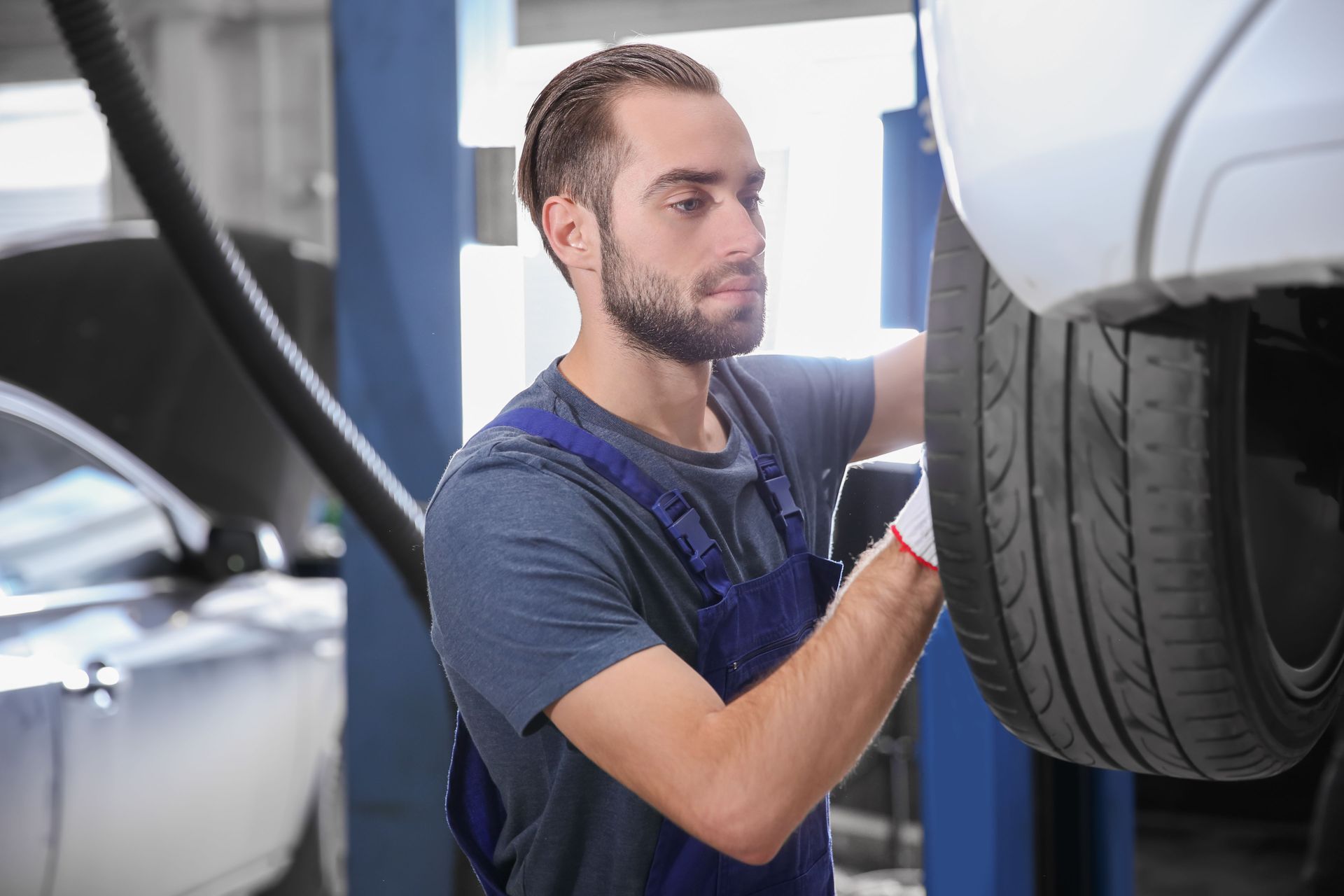
The tread on your wheels is designed to provide traction, grip, and stability, particularly during adverse weather conditions like rain or snow. Over time, friction from the road causes this vital layer of rubber to deteriorate, making your vehicle more susceptible to slipping and sliding. Drivers should routinely inspect the depth of their tread to ensure it meets safety standards and provides adequate grip. If the grooves appear shallow or the built-in wear indicator bars sit flush with the remaining tread, the tire has lost its ability to perform safely. Operating a vehicle with insufficient tread severely diminishes your ability to brake quickly and steer accurately during sudden maneuvers. When you notice this level of degradation, scheduling a tire repair assessment becomes necessary to determine if a fix or a complete replacement is required to restore your vehicle to a safe operating condition. Regular visual checks empower drivers to make informed decisions about their vehicle maintenance before facing a critical failure on the road.
Identifying Persistent Air Leaks
A slow but continuous loss of air pressure is a clear indicator that something has compromised the airtight seal of your wheel. Often, a small puncture from a nail, screw, or piece of debris goes unnoticed until the wheel starts appearing visibly flat or the dashboard monitor alerts you to the drop in pressure. Punctures located directly within the center tread area are usually manageable and can be addressed without needing to discard the entire wheel. Leaving a minor puncture untreated causes the wheel to flex excessively, which generates dangerous levels of heat and eventually destroys the internal structure. It is vital to take these pressure drops seriously because compromised handling directly impacts safety. According to Amica Insurance, around 1.7 million rear-end collisions take place in the U.S. each year. Maintaining proper air pressure and structural integrity is crucial to ensuring your vehicle has the stopping power needed to avoid becoming part of those statistics. Prompt tire repair can securely seal the leak and restore the necessary pressure.
Feeling Unusual Driving Vibrations
A smooth and comfortable ride is the standard expectation for any well-maintained vehicle, making any sudden shakiness or turbulence a cause for immediate concern. While some road surfaces naturally create a bumpy experience, a persistent vibration that travels through the steering column or the floorboards points to a deeper mechanical issue. This sensation frequently stems from an imbalance, uneven wear, or internal damage within the wheel itself, which disrupts the rotational harmony of your vehicle. Ignoring these vibrations forces the suspension and steering components to absorb the excessive shock, which can cause premature wear on those systems as well. When the internal belts of a wheel begin to separate, the resulting imbalance creates a distinctive shudder that worsens as you accelerate. Taking the vehicle in for a tire repair evaluation allows technicians to balance the wheels, correct the alignment, and identify any hidden damage that might be causing the unsettling ride. Resolving the vibration swiftly preserves the comfort and safety of your daily commute.
Spotting Sidewall Cracks and Bulges
The sidewall of a wheel endures constant flexing and bears the entire weight of the vehicle, making it a critical area for structural integrity. Exposure to harsh elements, intense sunlight, and regular impacts with curbs or potholes can weaken the rubber, leading to visible damage. Cracks often develop as the rubber compounds age and dry out, signaling that the material is losing its elasticity and strength. Bulges or blisters are even more concerning, as they indicate that the internal layers have ruptured, allowing air to push against the thin outer layer of rubber. A blowout at high speeds is a very real danger when the sidewall is compromised in this manner. Unlike minor tread punctures, sidewall damage usually dictates a complete replacement rather than a simple tire repair, but a professional assessment is still required to confirm the extent of the damage. Routinely scanning the sides of your wheels for these visual cues helps you address vulnerabilities before they lead to a sudden and dangerous failure on the highway.
Experiencing Frequent Pressure Drops
Modern vehicles are equipped with sophisticated monitoring systems designed to alert drivers the moment air pressure falls below the recommended threshold. While seasonal temperature fluctuations can naturally cause air to contract and trigger a warning light, a recurring alert points to a localized issue that requires immediate attention. A damaged valve stem, a bent rim, or an imperfect bead seal can allow air to slowly escape, forcing you to constantly refill the wheel just to complete a routine drive. Driving on underinflated wheels creates excessive rolling resistance, forcing the engine to work harder and significantly reducing your overall fuel economy. This constant cycle of deflation and inflation is frustrating and places unnecessary stress on the rubber components. Seeking out a professional tire repair service can quickly identify the source of the leak, whether it is a faulty valve or a poor rim seal, restoring the airtight environment necessary for optimal performance. Maintaining consistent pressure ensures predictable handling and extends the useful life of the rubber.
Noticing Irregular Wear Patterns
Uniform wear across the surface of the tread is a sign of a healthy suspension system and proper alignment, but uneven degradation tells a completely different story. If you observe that the inner or outer edges of the rubber are wearing down faster than the center, it usually indicates that the wheels are not tracking straight or that the camber angle is incorrect. Scalloped or cupped patterns suggest that the shock absorbers or struts are failing to keep the wheel firmly planted on the pavement, causing it to bounce slightly as you drive. These irregular patterns severely diminish the amount of rubber making contact with the road, which drastically reduces your ability to accelerate and brake effectively. A comprehensive tire repair inspection can diagnose the root cause of these unusual patterns, allowing technicians to rotate the wheels, adjust the alignment, and address any suspension issues. Correcting these underlying problems prevents newly installed wheels from suffering the exact same fate and keeps your vehicle operating smoothly.
Maintaining the structural integrity of your wheels is a fundamental responsibility that impacts the safety of your vehicle. Ignoring the early signs of degradation, from slow leaks to uneven tread wear, increases the likelihood of a dangerous blowout or costly mechanical failure. By staying proactive and visually inspecting your wheels on a regular basis, you can identify vulnerabilities and seek professional assistance before they compromise your ability to drive safely. Addressing minor punctures and balancing issues early preserves the comfort of your ride and maximizes fuel efficiency. When you notice your vehicle is not handling smoothly, reaching out to an experienced team ensures the problem is resolved efficiently. Call Carbondale Car Care Inc today to learn more about how we can help keep your vehicle running safely on every journey.


Share On: