
The Most Common Car Repairs and How They’re Done
Vehicles depend on dozens of mechanical, electrical, and electronic systems working together every time you drive. Normal wear, changing weather, road conditions, mileage, and driving habits can eventually affect those systems. Warning lights, unusual noises, vibration, reduced performance, or changes in handling may indicate that professional attention is needed. Understanding common car repairs can make conversations with an automotive technician easier because you’ll have a clearer idea of what may be inspected and why certain services are recommended.
Mechanical problems are also something many motorists experience. According to Look Up a Plate, approximately one in three American drivers are affected by vehicle breakdowns. While not every automotive problem causes an immediate breakdown, addressing developing concerns can help prevent a minor issue from becoming a more disruptive one. Here are common types of automotive repair and an overview of how professionals typically address them.
Brake System Repairs
Inspecting Brake Components
Brake service commonly begins with an inspection of components such as pads, rotors, calipers, and brake fluid. Technicians look for excessive wear, uneven surfaces, leaks, and other conditions that could affect braking. They may also consider symptoms such as squealing, grinding, pulling, or unusual pedal behavior when determining the source of a problem.
Replacing Worn Brake Pads
Brake pads gradually wear as friction material is used during braking. When replacement becomes necessary, technicians install appropriate pads and inspect surrounding components for related concerns. Among routine car repairs, brake service is particularly important because braking performance directly affects vehicle control and safety.
Addressing Damaged Rotors
Rotors provide the surface against which brake pads create friction. Heat and wear can eventually affect their condition. A professional evaluates rotor thickness and surface condition before determining whether replacement or another appropriate service is required.
Verifying Braking Performance
Once work is complete, technicians confirm that the braking system functions as expected. This final evaluation helps identify unusual pedal response, noise, or other concerns that could indicate additional attention is necessary.
Battery and Charging System Repairs
Testing Battery Condition
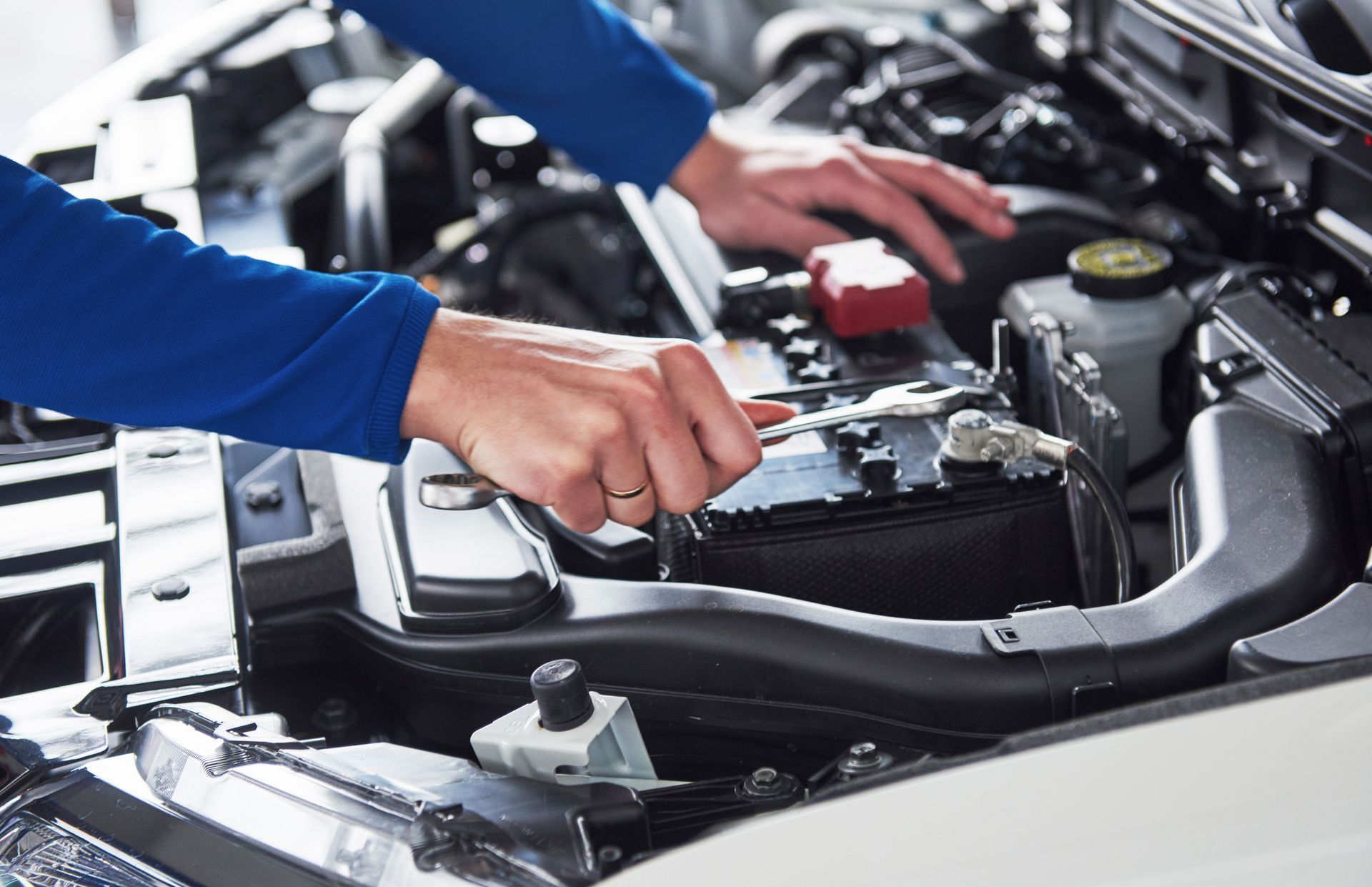
A weak battery can cause slow starting, electrical problems, or a vehicle that won’t start at all. Technicians can evaluate battery condition and determine whether the problem originates with the battery or another part of the starting and charging system.
Checking Charging Performance
The alternator helps supply electrical power and maintain battery charge while the engine operates. If the charging output is inadequate, technicians may perform diagnostic testing to determine whether the alternator, connections, wiring, or another component requires attention.
Replacing Failed Components
When testing confirms a failed battery or charging component, the appropriate replacement can restore normal electrical operation. These car repairs require an accurate diagnosis because similar symptoms can sometimes have different underlying causes.
Confirming Electrical Operation
After repairs, technicians can verify starting and charging performance. Confirming that the electrical system operates within appropriate ranges helps ensure the original problem has been addressed rather than simply replacing a component based on symptoms alone.
Tire and Suspension Repairs
Examining Tire Wear
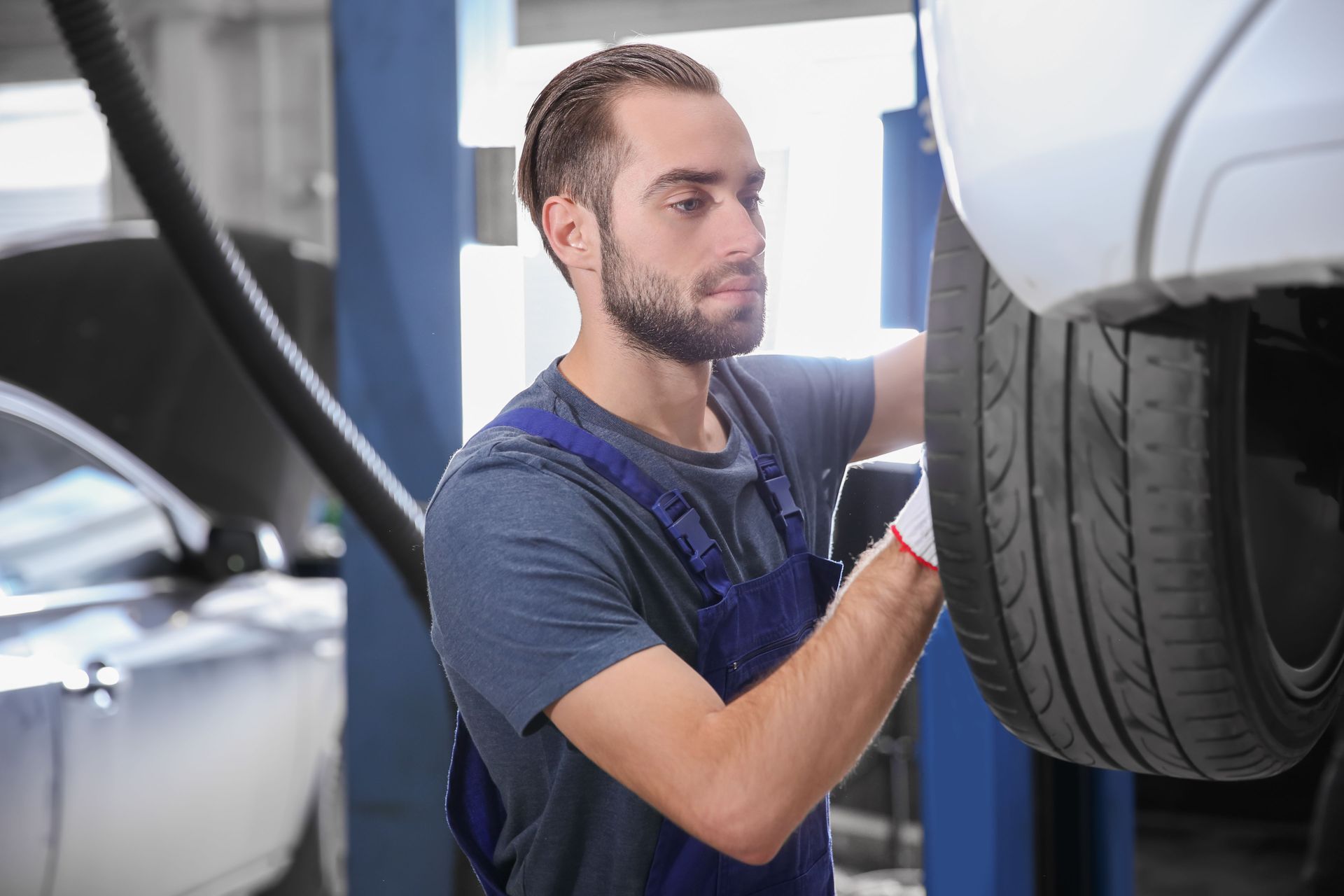
Tire wear can reveal useful information about vehicle condition. Uneven tread patterns may indicate alignment, suspension, or inflation concerns. Technicians inspect tread condition and other visible characteristics when determining whether a tire issue is isolated or connected to another system.
Evaluating Suspension Components
Shocks, struts, springs, control arms, and related components help manage vehicle movement and maintain contact between the tires and road. Wear can contribute to bouncing, noise, uneven handling, or poor ride quality. Professional evaluation identifies which components are contributing to the symptoms.
Correcting Alignment Concerns
Wheel alignment affects handling and tire wear. When alignment falls outside appropriate specifications, specialized equipment is used to measure wheel angles and determine what corrections are needed. Alignment-related car repairs can help address pulling, steering concerns, and irregular tire wear.
Assessing Vehicle Handling
After suspension or alignment work, technicians evaluate whether the vehicle responds properly. Because steering, tires, and suspension components work together, confirming overall handling helps ensure related concerns have been considered.
Engine and Ignition Repairs
Diagnosing Engine Symptoms
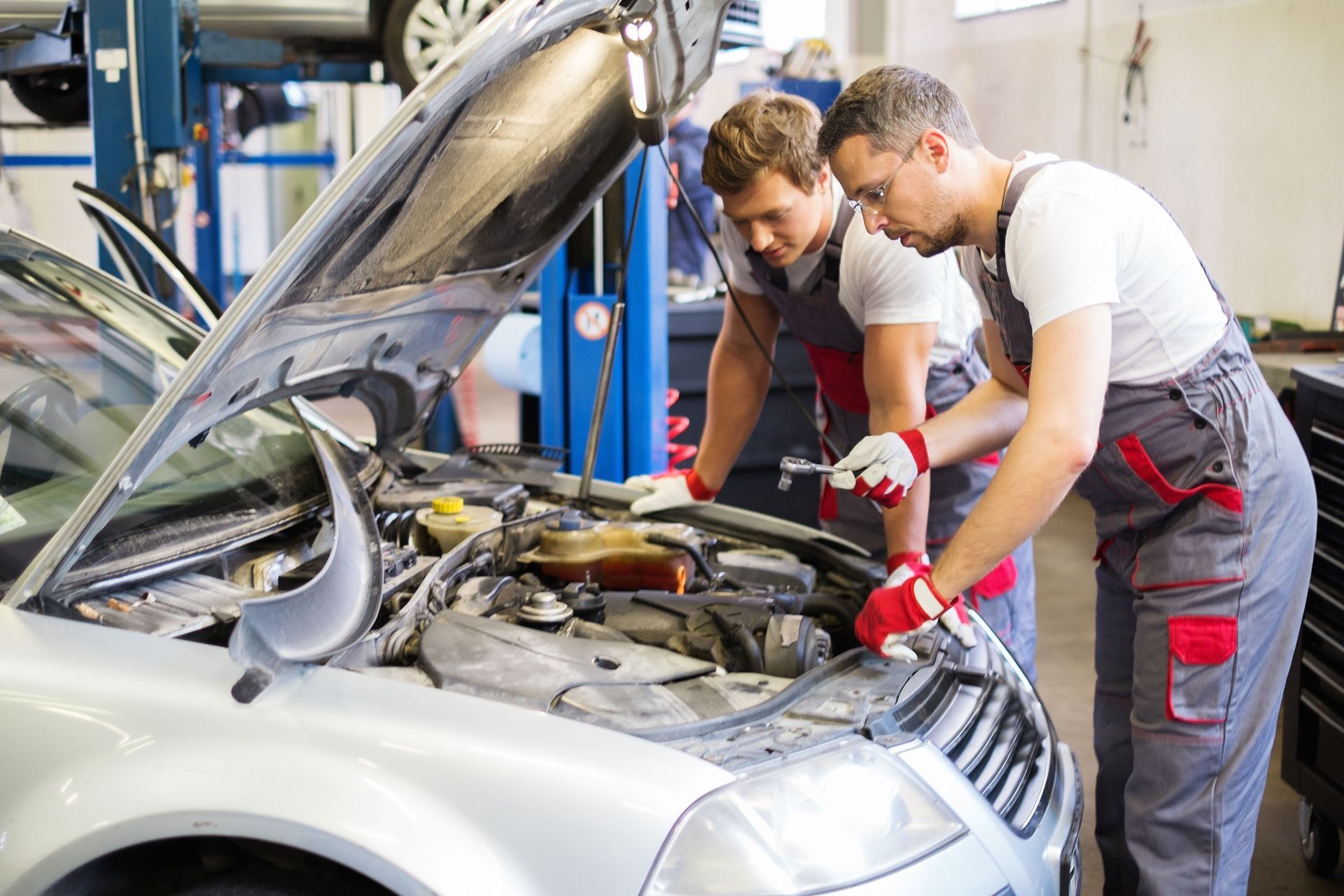
Engine problems can produce many symptoms, including rough idling, hesitation, reduced power, unusual sounds, increased fuel consumption, or warning lights. Modern diagnostic equipment can provide useful information, but technicians also rely on inspections and testing to determine the actual cause.
Addressing Ignition Problems
Spark plugs and other ignition components help create the combustion needed for gasoline engines to operate. Worn or malfunctioning components may contribute to misfires and performance problems. Technicians determine which parts require attention based on testing and vehicle specifications.
Repairing Related Components
Engine performance problems aren’t always caused by a single component. Fuel delivery, sensors, air intake systems, electrical connections, and other systems may produce similar symptoms. Accurate diagnosis helps car repairs target the source of the concern instead of relying solely on an initial symptom.
Evaluating Engine Performance
Following service, technicians confirm whether the engine starts, idles, and operates as expected. Diagnostic information may also be reviewed again when appropriate to determine whether identified faults have been resolved.
Cooling System Repairs
Checking for Coolant Leaks
The cooling system regulates engine temperature by circulating coolant through critical components. Leaks may develop around hoses, connections, the radiator, water pump, or other areas. Technicians inspect the system to locate the source rather than assuming visible coolant identifies the exact failure point.
Inspecting Cooling Components
Radiators, thermostats, fans, pumps, hoses, and related components all contribute to temperature management. If an engine overheats or temperature readings become abnormal, technicians evaluate these components to determine why the system isn’t operating properly.
Replacing Failed Parts
Once a cooling system problem is identified, damaged or failed components may require replacement. Prompt car repairs can be especially important when overheating is involved because excessive engine temperatures may lead to more extensive mechanical problems.
Confirming Proper Temperature Control
After service, technicians check the cooling system operation and monitor the engine temperature. This helps confirm that coolant circulates correctly and that the system maintains the operating temperature expected for the vehicle.
Exhaust and Emissions Repairs
Identifying Exhaust Problems
Unusual exhaust noise, odors, reduced performance, or a warning light can indicate problems involving exhaust or emissions components. Because the system extends along much of the vehicle, technicians inspect relevant areas to identify leaks, damage, or malfunctioning parts.
Evaluating Emissions Components
Modern vehicles use sensors and emissions-control equipment to monitor and manage exhaust gases. A diagnostic trouble code can help identify the system reporting a concern, but additional testing may be necessary before determining which component actually requires service.
Repairing Damaged Sections
Depending on the diagnosis, exhaust-related car repairs may involve damaged pipes, sensors, connections, mufflers, or other components. Professional evaluation helps distinguish between a localized problem and an issue involving another part of the engine or emissions system.
Confirming System Performance
Once the appropriate work has been completed, technicians can check for leaks, unusual noise, diagnostic faults, and other symptoms. This final evaluation helps confirm that the exhaust or emissions concern has been properly addressed.
Automotive problems can range from ordinary wear to failures that affect whether a vehicle can be driven safely. Brake systems, batteries, suspension components, engines, cooling systems, and exhaust equipment each require different diagnostic methods and professional expertise. Knowing how common car repairs are approached can help you better understand recommendations, recognize the importance of accurate diagnosis, and make informed decisions about your vehicle.
If your vehicle is making unusual noises, displaying warning lights, handling differently, or showing other signs of trouble, professional attention can help identify the cause. Contact Carbondale Car Care Inc today to schedule an inspection and receive dependable automotive service that helps keep your vehicle operating properly.

Share On: